Integrating the Classic Floral Ornament Corner Border into Professional Design Workflows
In the realm of graphic design and digital content creation, the difference between a generic layout and a polished, professional piece often lies in the details. One such detail that consistently elevates visual communication is the strategic use of decorative elements. The Classic Floral Ornament Corner Border serves as a prime example of how vintage aesthetics can be seamlessly integrated into modern workflows to enhance branding, invitations, certificates, and marketing materials. Understanding how to effectively incorporate these assets requires more than just dragging and dropping an image; it demands a clear process for selection, customization, and implementation.
The Role of Vintage Elements in Modern Visual Strategy
Before diving into the technical execution, it is essential to understand where a classic floral ornament fits within a broader design strategy. These elements are not merely decorative afterthoughts; they are structural tools that guide the viewer’s eye and establish tone. A well-chosen corner border frames content, creating a sense of containment and importance. This is particularly crucial for documents that require an air of authority or elegance, such as awards, diplomas, or high-end product packaging.
When planning a project, designers must consider the psychological impact of visual cues. Scrollwork and floral motifs evoke traditions of craftsmanship and quality. By integrating a Classic Floral Ornament Corner Border, you signal to your audience that attention has been paid to the finer points of the presentation. This aligns with principles of user experience (UX) design, where visual hierarchy and aesthetic consistency contribute to perceived usability and trust.
Preparation and Asset Selection
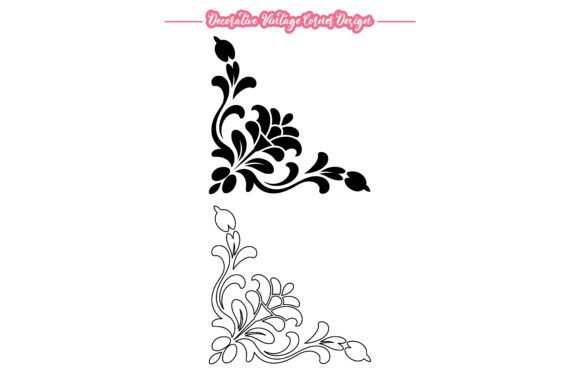
The foundation of any efficient workflow is proper preparation. When sourcing design assets, versatility is key. The package described here offers a significant advantage by providing both solid and outline styles of the ornament. This duality allows for greater flexibility during the planning phase. For instance, a solid style might be preferred for bold, high-contrast backgrounds, while an outline style may better suit delicate, minimalist layouts where negative space is paramount.
Compatibility is another critical factor in the selection process. The inclusion of an EPS file ensures that the asset is vector-based. Unlike raster images, vectors are resolution-independent, meaning they can be scaled to any size without losing quality. This is vital for projects that may need to be adapted across various mediums, from small business cards to large-format banners. The accompanying JPG file, rendered at 300 DPI, provides a ready-to-use option for quick mockups or web-based applications where editing capabilities are not required.
Technical Implementation and Customization
Once the asset is selected, the next phase involves technical integration. For professionals using Adobe Illustrator or similar vector graphics software, the EPS file is the primary workhorse. Because the design consists of 100 editable vector shapes, it offers granular control over every curve and line. This level of editability is crucial for maintaining brand consistency. You are not locked into a preset color scheme; instead, you can modify the fill and stroke colors to match specific brand guidelines exactly.
To implement this effectively, follow a structured approach:
- Import and Ungroup: Open the EPS file in your vector software. Immediately ungroup the elements to access individual components. This allows you to isolate specific parts of the scrollwork if the full corner is too complex for your layout.
- Color Adaptation: Use the RGB color mode provided to adjust hues. If your project requires CMYK for print, convert the document settings early in the process to ensure color accuracy. The ability to change colors easily means the same asset can serve multiple clients or campaigns without needing new purchases.
- Scaling and Positioning: Place the ornament in the corner of your artboard. Use alignment tools to ensure precise placement. Because it is a vector, you can scale it up or down to fit the margin requirements of your document without pixelation.
This process highlights the importance of having high-quality, editable files. A static image would limit your ability to adapt the design to unique constraints, whereas a vector-based Classic Floral Ornament Corner Border becomes a flexible component of your design system.
Workflow Integration Across Different Projects
The utility of this ornament extends beyond simple decoration. It interacts with various stages of different creative and business workflows. Consider the following scenarios:
Branding and Identity Development
For small business owners and entrepreneurs, establishing a cohesive brand identity is a priority. These ornaments can be incorporated into logo variations, letterheads, and social media templates. By using the same stylistic elements across all touchpoints, you create a recognizable visual language. The outline style, in particular, works well as a subtle watermark or background element in digital presentations, adding depth without distracting from the core message.
Event Planning and Invitation Design
In the context of weddings, galas, or corporate events, invitations set the expectation for the experience. Here, the ornament serves as a framing device for critical information such as dates, times, and venues. During the design phase, layering the solid style over a textured paper background can create a tactile, premium feel even in digital formats. The process involves balancing the ornate nature of the scrollwork with clean, readable typography to ensure legibility remains high.
Educational and Certification Materials
Educators and publishers often need to produce certificates of completion or achievement. These documents require a formal, dignified appearance. The classic floral motif conveys tradition and prestige. In this workflow, the ornament is typically placed in all four corners to create a complete border effect. Consistency is key here; using the same asset for all certificates issued by an institution reinforces the value of the award. The high resolution (300 DPI) ensures that when these are printed, the lines remain crisp and professional.
Quality Control and Long-Term Usability
Maintaining quality over time requires organized asset management. When you download the ZIP file containing the EPS and JPG formats, store it in a centralized library accessible to your team. Label the files clearly, noting the style (solid vs. outline) and color mode. This practice reduces search time in future projects and ensures that everyone involved in the workflow is using the correct version of the asset.
Furthermore, consider the longevity of the design. Trends come and go, but classic floral patterns have enduring appeal. By investing in high-quality, versatile vectors, you reduce the need to constantly update your design resources. This efficiency translates to cost savings and faster turnaround times for client projects. The ability to modify the file as needed means you can refresh the look by simply changing colors or adjusting opacity, rather than sourcing entirely new graphics.
Maximizing Efficiency in DIY and Craft Applications
For hobbyists and DIY enthusiasts, the process is slightly different but equally important. Scrapbooking and handmade crafts benefit from the precision of vector designs when used with cutting machines. While the EPS file is primarily for design software, the high-resolution JPG can be used for reference or direct printing on home printers. Users should ensure their printing settings are configured for high quality to capture the intricate details of the scrollwork.
When applying these designs to physical crafts, consider the material. The elegance of the Classic Floral Ornament Corner Border shines best on high-quality cardstock or parchment-style papers. Testing prints on small samples before committing to a full batch helps avoid waste and ensures the final product meets your standards. This iterative approach—test, evaluate, adjust—is a hallmark of effective craft production.
Conclusion: Elevating Your Design Process
Incorporating a Classic Floral Ornament Corner Border into your work is not just about adding decoration; it is about enhancing communication through visual structure. Whether you are a marketer designing a brochure, an educator creating certificates, or a crafter making personalized gifts, the key lies in understanding how the asset fits into your specific workflow. By leveraging the editability of vector files, maintaining organizational discipline, and applying the design with intention, you can achieve consistent, high-quality results. This approach ensures that every project benefits from the timeless elegance and professional finish that classic ornamentation provides.