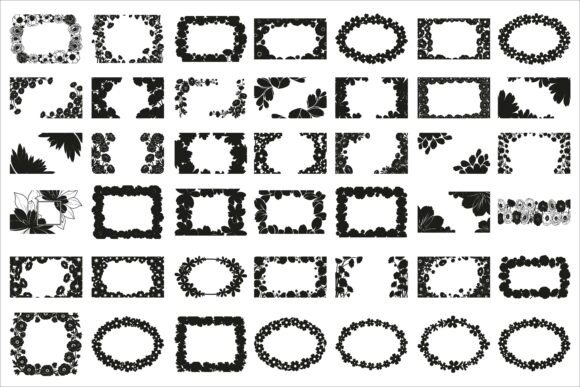
Elegant Floral Frame Silhouette: A Guide to Versatile Botanical Design Assets
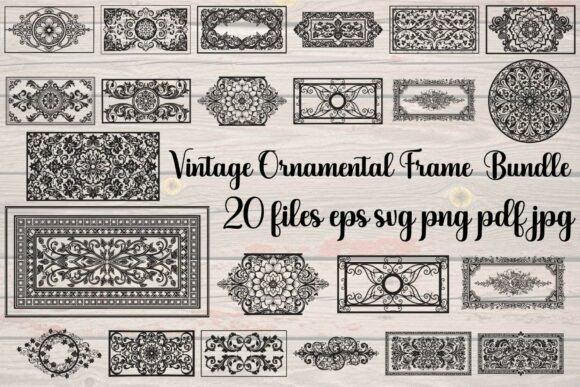
The Elegant Floral Frame Silhouette represents a convergence of classic botanical aesthetics and modern digital utility. At its core, this design asset features decorative flower elements and ornamental botanical details arranged to create a cohesive border or enclosure. Unlike complex, multi-colored illustrations, these silhouettes rely on shape, negative space, and line weight to convey elegance. This minimalist approach makes them exceptionally versatile for a wide range of applications, from high-end wedding invitations to industrial laser cutting projects.
For designers, crafters, and hobbyists, understanding the specific characteristics of these frames is essential for selecting the right tool for the job. This article explores the practical applications, technical considerations, and strategic benefits of incorporating floral frame silhouettes into your creative workflow.
Understanding the Design Structure
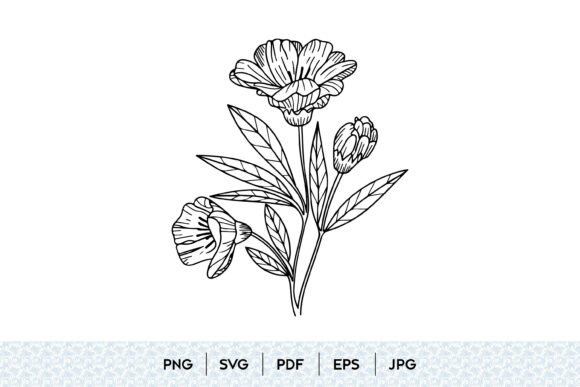
An elegant floral frame silhouette is typically defined by its clean lines and balanced composition. The term "silhouette" implies a solid shape or a distinct outline, often presented in black and white to emphasize form over color. These designs frequently incorporate vines, leaves, roses, peonies, or other botanical motifs that intertwine to form a rectangular, circular, or oval boundary.
The primary value of this design style lies in its adaptability. Because the artwork is usually vector-based, it can be scaled infinitely without losing quality. This is crucial for professionals who need to use the same asset for a small business card and a large wall art print. The collection typically includes various formats such as SVG, PNG, EPS, DXF, and JPG, ensuring compatibility with both digital design software and physical cutting machines.
Key Applications and Use Cases
The versatility of the botanical frame vector allows it to serve multiple industries and hobbies. Evaluating where these frames fit best helps determine their return on investment for your specific needs.
- Wedding and Event Stationery: This is perhaps the most common application. The romantic and classic nature of floral borders makes them ideal for wedding invitations, save-the-dates, and menu cards. The clean lines ensure that text remains legible while adding a touch of sophistication.
- Digital Crafting and Cutting: For users of Cricut, Silhouette, or other cutting machines, the SVG and DXF formats are indispensable. These files allow for precise cutting of cardstock, vinyl, or wood. A laser cut flower frame can become a intricate piece of home decor or a unique gift tag.
- Branding and Logos: Businesses in the beauty, wellness, or boutique sectors often seek an ornamental flower frame for their logos. The silhouette style provides a professional look that is less cluttered than full-color illustrations, making it easier to reproduce on various marketing materials.
- Wall Art and Home Decor: Printable designs enable users to create affordable wall art. A botanical wall decor svg can be printed on high-quality paper or canvas, offering a customizable aesthetic that matches interior design themes ranging from vintage to modern farmhouse.
Technical Considerations and File Formats
When evaluating a floral frame bundle, the available file formats are a critical factor. Each format serves a distinct purpose, and understanding these differences prevents workflow bottlenecks.
Vector Formats (SVG, EPS, AI, PDF, DXF): These are the gold standard for professional design. SVGs are web-friendly and widely supported by cutting machines. EPS and AI files are preferred by graphic designers using Adobe Illustrator, allowing for easy editing of nodes and paths. DXF is specifically useful for CAD software and certain laser cutting applications. The advantage of vectors is editability; you can change colors, remove specific elements, or adjust the thickness of the lines.
Raster Formats (PNG, JPG): These are pixel-based images. PNGs with transparent backgrounds are useful for quick digital compositions, such as overlaying a frame on a photo in Canva or Photoshop. JPGs are suitable for immediate printing but lack transparency and cannot be scaled up without quality loss. While less flexible than vectors, they offer convenience for users who do not have vector editing software.
Benefits and Tradeoffs
Choosing an elegant floral frame svg involves balancing aesthetic appeal with practical constraints. One significant benefit is time efficiency. Creating intricate botanical designs from scratch requires advanced illustration skills and considerable time. Using a pre-made, high-quality vector allows creators to focus on layout and typography rather than drawing individual leaves.
However, there are tradeoffs to consider. Because these are stock assets, there is a risk of overuse. A popular vintage flower frame may appear in many other projects, potentially diluting brand uniqueness. To mitigate this, users should look for bundles with varied styles or customize the files by combining different elements or adjusting the composition.
Another consideration is complexity. Highly detailed decorative flower borders may look stunning on screen but can be challenging to cut physically. Intricate veins in leaves or tiny petals may tear in cardstock or require slow laser speeds. For physical crafts, simpler silhouettes with thicker lines often yield better results and reduce material waste.
Decision-Making Insights
To determine if an Elegant Floral Frame Silhouette aligns with your goals, consider the end product. If you are designing for digital media, prioritize SVG and PNG formats for flexibility and ease of use. If you are producing physical goods via cutting machines, verify that the SVG or DXF files are optimized for your specific device. Check for closed paths and minimal anchor points to ensure smooth cutting.
Additionally, assess the style consistency. A classic botanical frame should complement your existing design language. If your brand is modern and minimalist, a overly ornate romantic floral border might clash. Conversely, a simple line-art frame may feel too sparse for a vintage-themed project. Reviewing the included variations in a bundle helps ensure you have options for different moods and contexts.
When to Consider Alternatives
While floral silhouettes are powerful, they are not always the best choice. If your project requires photorealism or vibrant color gradients, a vector silhouette may feel flat. In such cases, watercolor clipart or photographic elements might be more appropriate. Similarly, if you need a highly unique, trademarkable logo, relying solely on a stock flower ornament border may pose legal or branding challenges. Custom illustration or significant modification of stock assets is recommended for distinctive brand identities.
Furthermore, for users with limited technical skills, complex vector files can be intimidating. If editing nodes in Illustrator is beyond your comfort zone, look for bundles that include pre-sized PNG templates or user-friendly drag-and-drop compatible files for platforms like Canva.
Conclusion
The Elegant Floral Frame Silhouette is a valuable resource for anyone looking to add a touch of natural beauty to their designs. Its strength lies in its balance of aesthetic elegance and technical versatility. By understanding the nuances of file formats, application methods, and design complexity, creators can make informed decisions that enhance their projects. Whether used for a delicate wedding invitation or a bold laser-cut sign, these botanical frames offer a timeless solution for decorative design needs.