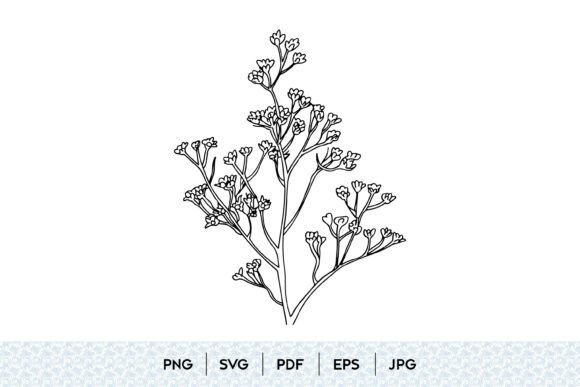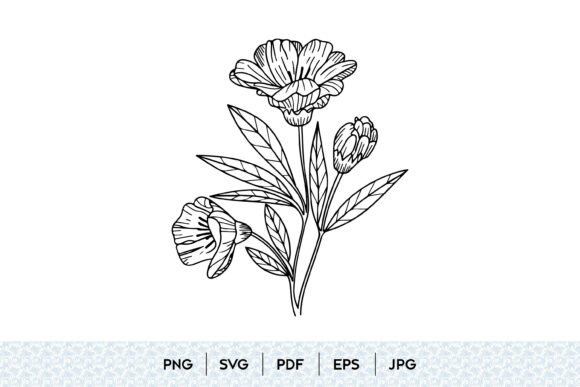
Unlocking the Beauty of Wildflower Botanical Line Art: A Guide to Versatile Digital Design
In the ever-evolving world of digital design and creative expression, few styles capture the imagination quite like wildflower botanical line art. This aesthetic, characterized by its clean lines, minimalist approach, and organic subject matter, has transcended niche artistic circles to become a staple in modern decor, fashion, and digital media. Whether you are a seasoned graphic designer, a hobbyist crafter, or someone looking to add a touch of nature-inspired elegance to your home, understanding the versatility and appeal of these illustrations is essential.
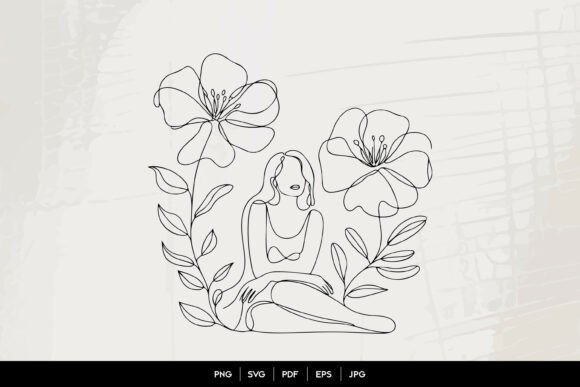
At its core, botanical line art is about stripping away the unnecessary. It focuses on the essential contours and structures of plants, resulting in images that are both delicate and striking. When applied to wildflowers—those untamed, free-spirited blooms found in meadows and roadsides—the result is a unique blend of rustic charm and sophisticated simplicity. This article explores the significance of this art form, the practical benefits of various file formats, and how you can integrate these designs into your daily life and creative projects.
The Enduring Appeal of Minimalist Floral Aesthetics
Why has minimalist floral art become so pervasive in recent years? The answer lies in its adaptability and psychological impact. In a world cluttered with visual noise, the clean, uncluttered lines of a floral outline drawing offer a sense of calm and order. This style aligns perfectly with popular interior design trends such as Scandinavian minimalism, Japandi, and the enduring love for cottagecore floral art. Unlike photorealistic images, which can sometimes feel heavy or dated, line art remains timeless.
Furthermore, black and white flower art possesses a universal quality. It does not clash with existing color palettes, making it an ideal choice for versatile branding, wedding invitations, and home decor. A delicate flower vector can be scaled up to cover a living room wall or shrunk down to fit on a business card without losing clarity or impact. This flexibility is what makes botanical line art a powerful tool for creators across various industries.
Understanding the File Formats: SVG, PNG, EPS, JPG, and PDF
When purchasing or downloading wildflower svg bundles, you will often encounter a variety of file types. Understanding the difference between them is crucial for ensuring your project turns out exactly as envisioned. Here is a breakdown of what you get and when to use each format:
- SVG (Scalable Vector Graphics): This is the gold standard for digital cutting machines like Cricut or Silhouette. As a vector file, it can be resized infinitely without pixelation. It is perfect for floral tattoo design templates, vinyl decals, and web graphics.
- PNG (Portable Network Graphics): Ideal for digital printing and sublimation. PNGs usually come with a transparent background, allowing you to place a flower bouquet svg design onto colored fabrics or mugs seamlessly. However, remember that PNGs are raster images, so they have a fixed resolution.
- EPS (Encapsulated PostScript): A professional vector format used primarily in Adobe Illustrator and other professional design software. If you are a designer modifying the botanical vector svg paths, this is the format you need.
- JPG (Joint Photographic Experts Group): Best for quick previews or simple documents where transparency is not required. It is widely compatible but lacks the editing flexibility of vector files.
- PDF (Portable Document Format): The go-to format for printable flower art. PDFs preserve the quality of the image for high-resolution printing, making them perfect for creating framed floral wall art printable pieces or botanical journals.
Practical Applications in Creativity and Business
The utility of hand drawn wildflower illustrations extends far beyond simple decoration. For entrepreneurs and small business owners, these assets are invaluable. Consider the rise of print-on-demand services. A single elegant flower sketch can be adapted for t-shirts, tote bags, phone cases, and stationery. The key is choosing designs that resonate with current trends, such as boho floral decor or vintage flower illustration styles that evoke nostalgia.
For educators and parents, botanical printable design resources offer engaging ways to teach children about nature. Coloring pages featuring detailed flower drawing outlines help develop fine motor skills while fostering an appreciation for biodiversity. Similarly, in the realm of weddings and events, floral branch svg files are frequently used to create custom signage, menu cards, and favors that add a personalized, organic touch to the celebration.
Enhancing Personal Projects with Botanical Elements
On a personal level, incorporating nature line illustration into your hobbies can elevate your creative output. If you enjoy journaling, using contour flower drawing stamps or stickers can transform a plain notebook into a work of art. For those interested in DIY home improvement, engraved flower illustration styles can be used with wood-burning tools to create unique furniture accents or kitchenware.
Moreover, the trend of modern botanical illustration has influenced digital content creation. Bloggers and social media influencers use decorative floral svg elements to frame quotes, highlight product features, or create cohesive brand aesthetics. The clean lines ensure that text remains readable while adding visual interest.
Common Misconceptions About Line Art
Despite its popularity, there are several misunderstandings regarding botanical aesthetic svg files. One common assumption is that "simple" means "easy to create." In reality, achieving a balanced artistic botanical sketch requires a keen eye for proportion and flow. Another misconception is that line art is limited to black and white. While black and white flower art is classic, these vectors can be easily colored digitally to match specific brand guidelines or seasonal themes.
Additionally, some users believe that all SVG files are created equal. However, the quality of the nodes and paths varies significantly. A well-optimized wildflower bouquet vector will have smooth curves and minimal anchor points, making it easier to cut and edit. Poorly constructed vectors can lead to jagged edges or cutting errors, so it is important to source your floral clipart svg from reputable designers who prioritize technical precision alongside artistic beauty.
The Role of Technology in Modern Botanical Art
Technology has democratized access to high-quality digital floral artwork. In the past, commissioning a custom garden flower illustration was expensive and time-consuming. Today, digital marketplaces offer vast libraries of ornamental floral vector designs that are affordable and instantly downloadable. This accessibility has empowered a new generation of creators to experiment with flower arrangement line art and other complex compositions without needing advanced drawing skills.
Furthermore, advancements in printing technology mean that printable botanical svg files can be reproduced with stunning fidelity. Home printers capable of handling high-resolution PDFs allow individuals to create gallery-quality floral wall art printable pieces at a fraction of the cost of buying pre-framed art. This shift has made interior design more personalized and accessible.
Conclusion: Embracing the Natural Elegance
Wildflower botanical line art is more than just a design trend; it is a versatile medium that bridges the gap between nature and technology. Whether you are utilizing a blooming flower svg for a commercial product, printing a botanical engraving style piece for your home, or exploring flower stem outline drawings for educational purposes, the possibilities are endless. By understanding the different file formats and appreciating the artistic nuance behind each delicate flower vector, you can make the most of these resources.
As we continue to seek connection with the natural world in our increasingly digital lives, elegant botanical artwork serves as a gentle reminder of the beauty found in simplicity. So, whether you are designing a minimalist flower bouquet for a wedding invite or creating a natural floral design for your next craft project, embrace the clean lines and organic forms that define this captivating art style. With the right tools and a bit of creativity, you can transform simple outlines into stunning visual narratives.