Understanding Minimal Floral Woman Line Art: A Guide to Modern Digital Design
In the vast landscape of digital art and interior design, few trends have captured the public imagination quite like minimal floral woman line art. This aesthetic combines the delicate intricacy of botanical elements with the elegant simplicity of human contours. For designers, hobbyists, and homeowners alike, understanding this style is not just about appreciating beauty; it is about recognizing a versatile tool for modern expression. Whether you are looking to create printable wall decor or develop a brand identity, mastering the nuances of this genre can elevate your creative projects significantly.
The Essence of Continuous Line and Botanical Fusion
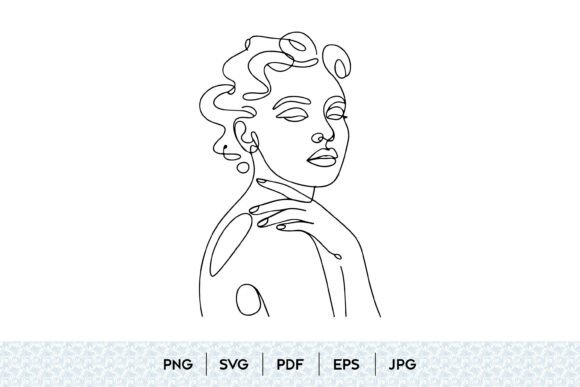
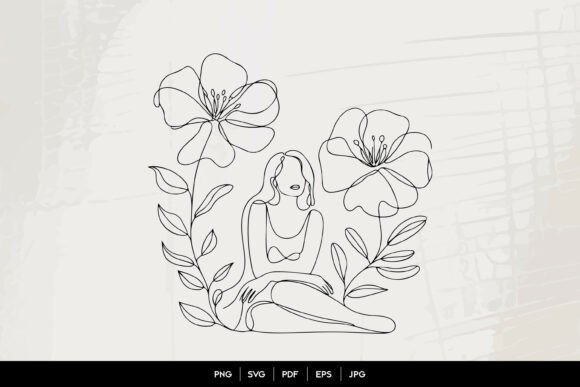
At its core, abstract female portrait art in this style relies on the principle of reduction. Artists strip away unnecessary details, focusing instead on the essential curves and lines that define the subject. When you combine this with a floral line drawing, the result is a harmonious blend of nature and humanity. The flowers often emerge from the hair or frame the face, symbolizing growth, beauty, and organic connection.
This technique is frequently referred to as continuous line art or one-line drawing. The challenge—and the charm—lies in creating a cohesive image without lifting the "pen" from the canvas. This constraint forces the artist to be intentional with every stroke, resulting in an elegant woman illustration that feels both spontaneous and meticulously planned. For beginners, this style is approachable because it does not require mastery of shading or complex color theory. Instead, it demands an eye for flow and balance.
Why This Style Resonates in Modern Design
The popularity of botanical female design is not accidental. In an increasingly digital and chaotic world, there is a growing desire for calm, clarity, and minimalism. This art form fits perfectly into the "less is more" philosophy that dominates modern interior design. It serves as decorative wall art that complements rather than overwhelms a space. Whether placed in a serene bedroom, a professional office, or a cozy living room, an aesthetic woman design adds a touch of sophistication without visual clutter.
Furthermore, this style bridges the gap between traditional artistic skills and modern technology. With the availability of various file formats, creators can easily adapt these designs for multiple uses. You might start with a minimalist beauty artwork intended for a print, but the same asset can be scaled down for a logo or expanded for a large-format banner.
Practical Applications and File Formats
One of the most significant advantages of working with modern line portrait assets is their versatility across different media. When you acquire or create these designs, you will typically encounter a range of file types. Understanding the purpose of each format is crucial for maximizing their utility.
- SVG (Scalable Vector Graphics): This is perhaps the most important format for digital designers. An floral woman svg allows for infinite scaling without loss of quality. It is ideal for web design, logos, and cutting machines like Cricut or Silhouette.
- PNG (Portable Network Graphics): Best for digital use where transparency is needed. A high-resolution PNG is perfect for social media graphics, website headers, or digital planners.
- EPS (Encapsulated PostScript): A standard vector format used by professional printing services. If you are sending your contour woman svg to a professional printer for large posters, EPS is often the preferred choice.
- JPG (Joint Photographic Experts Group): Suitable for quick previews or simple documents where file size is a concern, though it lacks transparency and scalability.
- PDF (Portable Document Format): Excellent for printable wall decor. Users can download a PDF and print it directly at home or at a local shop without worrying about formatting issues.
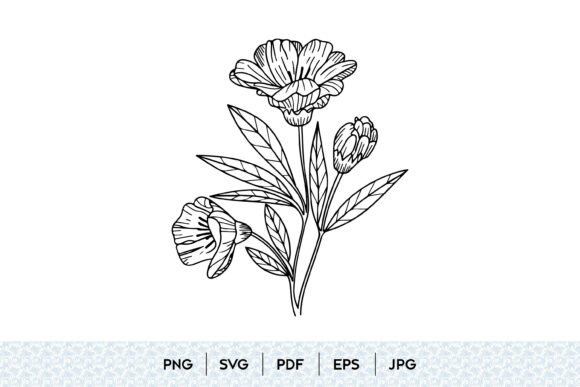
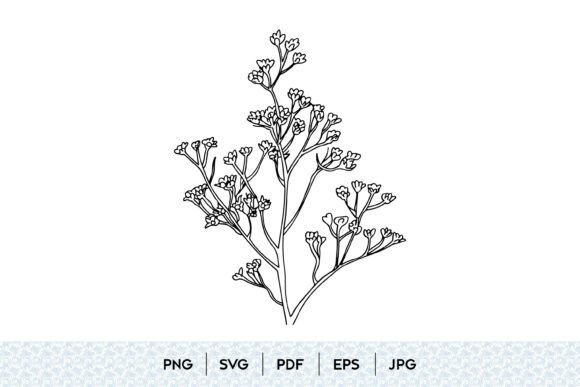
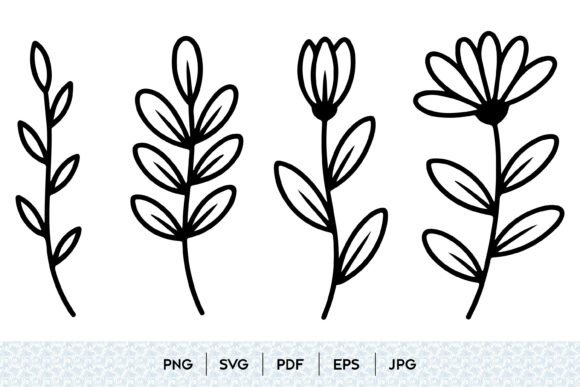
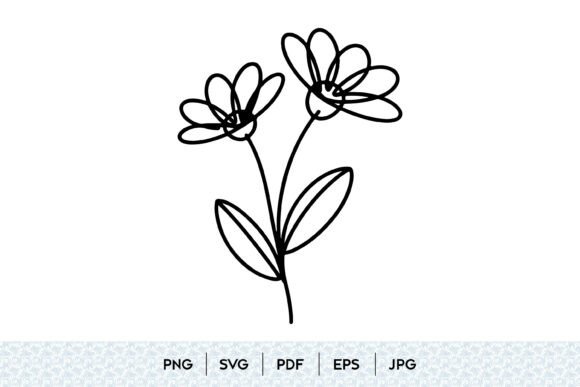
By having access to all these formats—png svg eps pdf jpg—you ensure that your feminine contour drawing is ready for any project, from a small sticker to a large canvas print.
Common Misunderstandings About Minimalist Art
A common assumption is that minimalist floral design is easy to create because it looks simple. However, simplicity is often the hardest thing to achieve. A poorly executed abstract botanical art piece can look messy or unfinished rather than intentional. The key lies in the confidence of the line. Each curve must serve a purpose, defining the jawline, the nose, or the petal of a flower with precision.
Another misconception is that this style is limited to black and white. While monochrome beauty line svg files are popular for their classic look, adding a single accent color—such as a soft blush pink or a muted sage green—can transform an elegant floral portrait into a vibrant focal point. The restraint in color usage is what maintains the minimalist integrity while adding visual interest.
Integrating Line Art into Daily Life and Business
Beyond personal enjoyment, stylish female illustration has significant commercial value. Entrepreneurs in the wellness, beauty, and fashion industries often use modern feminine artwork to convey elegance and natural beauty. For instance, a skincare brand might use a botanical contour illustration on its packaging to suggest organic ingredients and gentle care. Similarly, yoga studios and meditation apps frequently employ one line portrait imagery to evoke a sense of peace and balance.
For educators and content creators, these images serve as excellent visual aids. They can break up text in blog posts, serve as icons in presentations, or act as calming backgrounds for video thumbnails. The artistic female line art style is neutral enough to appeal to a broad audience yet distinctive enough to establish a unique brand voice.
- Identify your purpose: Are you creating printable abstract art for sale, or designing a logo? This determines whether you need vector or raster files.
- Choose the right composition: Look for a floral beauty drawing that balances the human figure with the botanical elements. Too many flowers can obscure the face, while too few may look sparse.
- Consider the context: A trendy feminine svg might work well on social media, but a more subdued elegant female outline might be better for corporate stationery.
- Experiment with placement: Don’t be afraid to crop or rotate your continuous contour art to fit specific layouts. The abstract nature of the art allows for flexible framing.
The Future of Digital Botanical Art
As technology evolves, so does the way we interact with creative botanical design. Augmented reality (AR) and virtual reality (VR) are beginning to incorporate these minimalist styles, allowing users to place floral decor illustration in their physical spaces via smartphone cameras before purchasing prints. This interactive element enhances the consumer experience and reduces the uncertainty of online shopping.
Moreover, the rise of AI-assisted design tools has made it easier for non-artists to generate stylish abstract portrait concepts. However, the human touch remains vital. Curating and refining these generated images ensures they retain the emotional resonance and artistic integrity that define high-quality botanical woman line art.
Conclusion
Minimal floral woman line art is more than just a passing trend; it is a testament to the enduring appeal of simplicity and nature. By understanding the technical aspects, such as file formats and composition, and appreciating the artistic principles behind feminine artistic svg designs, you can leverage this style effectively in both personal and professional contexts. Whether you are decorating your home, building a brand, or simply exploring your creativity, these modern botanical portrait pieces offer a timeless elegance that continues to inspire.
Embrace the beauty of the line. Explore the harmony between the human form and the natural world. With the right resources and a keen eye for detail, you can transform simple contours into powerful statements of abstract beauty portrait art. Start your journey today by experimenting with different floral female artwork styles and discovering how they can enhance your visual storytelling.