Floral Folk Art Design Guide
Floral Folk Art Design represents a timeless intersection of nature and cultural heritage. It is not merely about drawing flowers; it is about capturing the spirit of traditional craftsmanship through stylized, often symmetrical, botanical motifs. Whether you are a seasoned graphic designer looking for authentic textures or a hobbyist seeking to add a personal touch to home decor, understanding the nuances of this aesthetic can elevate your creative projects. The appeal lies in its versatility—bridging the gap between rustic charm and modern minimalism.
At its core, this design style draws from historical ethnic ornaments and hand-drawn traditions. It features bold outlines, repetitive patterns, and a distinct lack of realistic shading, favoring instead flat colors or stark black line art. This approach makes it incredibly adaptable for various mediums, from digital screens to physical prints.
Why Creators and Entrepreneurs Value Folk Aesthetics
For professionals and small business owners, the demand for unique, non-generic visuals is higher than ever. Stock photography often feels impersonal, but folk floral design offers a narrative quality that resonates with consumers seeking authenticity. When you incorporate these elements into branding, packaging, or web design, you signal a connection to craftsmanship and tradition.
Consider the practical benefits for different professional roles:
- Graphic Designers: You gain access to editable SVG and vector files that allow for infinite scalability without loss of quality. This is crucial for large-format printing like banners or vehicle wraps.
- Product Sellers: If you run an Etsy shop or a print-on-demand business, printable artwork featuring vintage floral themes sells well. Customers love items that feel handmade, even if they are digitally produced.
- Marketers: Using cultural patterns can help segment your audience. A bohemian brand might use loose, boho floral arrangements, while a luxury brand might opt for strict floral symmetry and elegant lines.
The key priority here is commercial value and flexibility. Professionals need assets that are not only visually striking but also technically robust. Formats like EPS and PDF ensure that the decorative motif remains crisp whether it is stamped on a business card or woven into a textile pattern.
Approaching Folk Art as a Beginner or Hobbyist
If you are new to design, the term "folk art" might seem intimidating, suggesting a need for advanced artistic skills. However, the beauty of line art pattern and outline drawing is its accessibility. You do not need to master complex perspective or lighting to create something beautiful. The focus is on shape, balance, and rhythm.
Beginners often prioritize ease of use and learning value. Working with pre-made hand drawn ornament templates allows you to study how traditional artists constructed their compositions. You can trace, modify, and recolor these elements to understand the underlying structure of botanical ornament.
Here is how a hobbyist might engage with these resources:
- Digital Coloring: Download a monochrome illustration or black line art file. Use tablet apps to experiment with color palettes without the mess of physical paints. This builds confidence in color theory.
- Home Decor Projects: Use JPG or PNG files to create custom wall art. Print them on high-quality paper, frame them, and instantly refresh a room’s aesthetic with nature inspired visuals.
- Crafting: Print contour illustration designs onto transfer paper for embroidery or wood burning. The clear lines make it easy to follow, turning a digital asset into a tactile, handmade object.
For this group, the creative artwork serves as a starting point rather than a final product. The joy comes from the process of adaptation and personalization.
Educational and Cultural Applications
Educators and publishers find unique value in traditional floral designs because they serve as excellent teaching tools for history, geometry, and cultural studies. Folk art is rarely random; it is deeply rooted in the symbolism of specific regions and eras.
When teaching students about ethnic ornament, you can use symmetrical design examples to explain mathematical concepts like reflection and rotation. A stylized flower from Eastern European folklore, for instance, differs significantly in structure from a Mexican folk motif. Comparing these helps learners appreciate global diversity.
Botanical art in this context also bridges science and art. While scientific illustration aims for accuracy, folk interpretation aims for essence. Discussing this distinction helps students understand different ways of observing nature. Teachers can use decorative elements in classroom materials to make worksheets more engaging, transforming mundane tasks into visually appealing activities.
Selecting the Right Format for Your Needs
One of the most critical decisions when acquiring Floral Folk Art Design assets is choosing the correct file format. Your choice should depend on your intended use, technical skill, and output method.
Vector Files (SVG, EPS, AI):
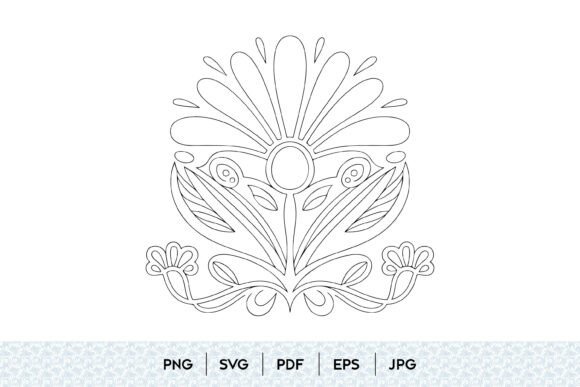
These are essential for professionals who need to resize images frequently. An editable svg allows you to change individual paths, adjust stroke weights, and recolor specific parts of the ornamental flower easily. If you are creating logos, signage, or large prints, vector formats are non-negotiable for maintaining quality and reliability.
Raster Files (JPG, PNG):
These are ideal for immediate use. A PNG with a transparent background is perfect for web designers who want to overlay a decorative line art element onto a website header. JPG files are suitable for social media posts or quick previews. They require less technical knowledge to handle but cannot be scaled up indefinitely without pixelation.
Print-Ready Files (PDF):
For those focusing on printable artwork, PDFs ensure that colors and dimensions remain consistent across different printers. This is vital for maintaining the integrity of the elegant pattern when producing physical goods like invitations or book covers.
Balancing Tradition and Modernity
A common challenge in using folk style artwork is avoiding a dated look. To keep your designs fresh, consider blending traditional motifs with modern layouts. For example, pair a complex abstract floral center with ample white space and minimalist typography. This contrast highlights the intricacy of the artistic ornament while keeping the overall composition clean and contemporary.
Modern folk art does not mean abandoning tradition; it means recontextualizing it. You might take a traditional pattern and render it in unexpected neon colors, or use a minimalist floral outline on a dark, moody background. This approach appeals to a broader audience, including younger demographics who appreciate heritage but desire modern aesthetics.
Ultimately, Floral Folk Art Design is a powerful tool for storytelling. Whether you are building a brand identity, teaching a class, or decorating your home, these designs offer a rich visual language. By understanding the different formats, audiences, and applications, you can leverage these assets effectively. Focus on what matters most to your specific project—be it speed, creativity, or long-term usefulness—and let the organic beauty of folk flora enhance your work.
Remember to evaluate each asset based on its decorative potential and technical compatibility. A well-chosen flower pattern can become the cornerstone of a cohesive visual identity, connecting your audience to a sense of warmth, history, and natural beauty.